Examining cultural perspectives on gambling Insights from around the world
The Historical Context of Gambling
Gambling has a long and complex history that spans various cultures and civilizations, tracing back thousands of years. In ancient China, the earliest evidence of gambling dates back to around 2300 BC, where rudimentary games of chance were played using tiles and other simple objects. This historical context laid the foundation for many contemporary gambling practices, influencing games such as keno, which remains popular today. The evolution of gambling practices has continued, with various forms emerging across different societies, reflecting their cultural attitudes toward luck, fate, and risk. To dive deeper into the experience, you can explore Monacojack casino, a modern platform that encapsulates this thrilling history.
Similarly, ancient Rome and Greece embraced gambling, often incorporating it into social and religious festivities. Gladiatorial games frequently included betting, where spectators wagered on the outcomes of fights. This integration of gambling into public life showcased the Romans’ belief in fate and fortune, creating a cultural landscape where gambling was both a pastime and a social bonding experience. Throughout history, gambling has often reflected societal norms and values, demonstrating how culture influences the types of games played and the significance placed on luck and chance.
As societies evolved, so too did their approach to gambling. The emergence of casinos in the 17th century marked a significant transition from informal betting practices to organized gambling venues. The first modern casino, the Ridotto, opened in Venice in 1638, and quickly became a cultural landmark. This transition illustrates how gambling transformed from a casual activity into a structured entertainment experience, ultimately leading to the establishment of laws and regulations aimed at managing gambling’s influence on society.
Cultural Attitudes Towards Gambling
Cultural attitudes towards gambling vary significantly across the globe, deeply influencing how communities perceive and engage in these activities. In countries like Japan, gambling is heavily regulated, with certain forms, such as pachinko, existing as legal pastimes. Despite the restrictive laws, the popularity of pachinko parlors reflects a cultural acceptance of gambling as a form of entertainment, albeit within specific guidelines. This balancing act between regulation and enjoyment illustrates the intricate relationship between cultural values and gambling practices.
Conversely, in many Western countries, gambling is often viewed through a lens of personal freedom, allowing individuals the liberty to engage in betting activities. The emergence of Las Vegas as a gambling capital exemplifies this cultural acceptance, where the celebration of risk-taking and fortune-seeking has become part of the American ethos. The city’s vibrant atmosphere, filled with glitz and glamour, reinforces the idea that gambling is not only a form of entertainment but also a cultural phenomenon that encapsulates the American dream of striking it rich.
However, this cultural acceptance of gambling can lead to varying consequences, particularly concerning addiction and social impact. For example, Australia has one of the highest rates of gambling participation globally, which has sparked discussions regarding responsible gambling and its implications for public health. This dichotomy of gambling as a recreational activity versus a potential societal issue reflects the complex and sometimes contradictory attitudes toward gambling in different cultures.
The Role of Religion in Gambling Perspectives
Religion plays a significant role in shaping cultural perspectives on gambling, often dictating whether such activities are embraced or condemned. In predominantly Muslim countries, such as Saudi Arabia and Iran, gambling is strictly prohibited due to religious doctrines that view it as sinful. The cultural stance against gambling in these regions reinforces the community’s values surrounding ethical behavior and spirituality, illustrating how religious beliefs can profoundly influence societal norms.
In contrast, many Western religions have adopted more lenient views on gambling. For instance, Christianity does not have explicit prohibitions against gambling, though some denominations advocate for moderation and responsibility. This variance allows for a broader acceptance of gambling within certain Christian communities, where lotteries and charitable betting events are viewed as harmless and even beneficial in terms of fundraising for good causes.
Additionally, Buddhism presents a unique perspective on gambling, often emphasizing the importance of mindfulness and the avoidance of attachments. While some forms of gambling are tolerated, the overarching Buddhist teachings encourage individuals to engage in activities that promote well-being and reduce suffering. This nuanced view allows for a cultural acceptance of gambling while simultaneously promoting self-awareness and consideration of its potential consequences.
The Impact of Technology on Global Gambling Trends
Technological advancements have dramatically transformed gambling practices across the globe, creating new opportunities and challenges. The rise of the internet has given birth to online gambling platforms, which have revolutionized how people engage with games of chance. Countries like the United Kingdom have embraced online casinos, allowing players to access a wide variety of games from the comfort of their homes. This accessibility has led to increased participation rates and has altered the traditional perceptions of gambling, making it more mainstream and socially acceptable.
Mobile technology has further amplified this trend, enabling individuals to gamble on their smartphones and tablets. This shift toward mobile gambling reflects changing cultural attitudes, where convenience and accessibility are prioritized. With the integration of social media, online gambling platforms now offer interactive experiences that foster community engagement, allowing players to share their experiences and strategies. This digital culture surrounding gambling creates a unique blend of competition and camaraderie, further embedding gambling into modern societal fabric.
However, this technological evolution also raises concerns regarding addiction and regulation. As online gambling becomes more prevalent, discussions about responsible gaming and the need for protective measures intensify. Governments and regulatory bodies are challenged to keep pace with the rapidly evolving landscape, ensuring that adequate safeguards are in place to protect vulnerable populations while still allowing for personal freedom and enjoyment.
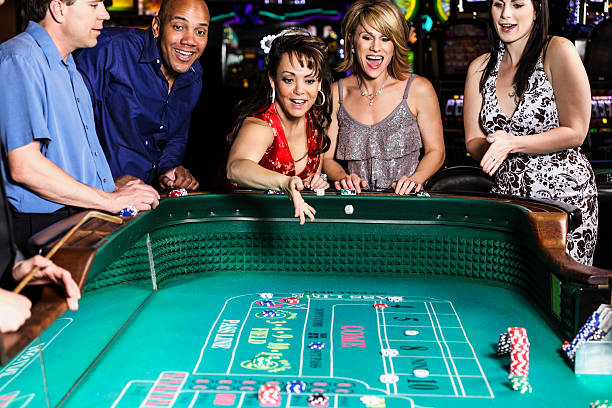
Monaco Jack: Your Gateway to Global Gambling Experiences
Monaco Jack stands as a premier online destination for gambling enthusiasts, offering a diverse range of thrilling games and experiences inspired by global gambling cultures. With a user-friendly interface and enticing bonuses, Monaco Jack provides an immersive environment that reflects the dynamic world of gambling. From engaging slots to live dealer options, the platform captures the essence of gambling as a cultural phenomenon, inviting players to explore various forms of entertainment.
By fostering a secure and enjoyable gaming atmosphere, Monaco Jack aims to provide not only excitement but also a sense of community among its players. The website embraces the cultural diversity of gambling, showcasing games and practices from around the world. This commitment to inclusivity allows users to experience the thrill of international gambling traditions while engaging in responsible gaming.
As you embark on your journey with Monaco Jack, you’re not just playing games; you’re participating in a rich tapestry of global gambling heritage. Join today to experience the excitement and camaraderie that defines this vibrant world, where cultural perspectives on gambling converge to create unforgettable moments and experiences.